

Okay, so check this out—I’ve been bouncing between chains in the Cosmos world for years. Whoa! At first it felt like playing with modular Legos: swap a module here, plug in a relayer there, and suddenly assets flow. Really? Yes. But then I hit the ugly edges—wrong memo, wrong denom, a stuck transfer that took two days to untangle. My instinct said “this will be fine” and then, well, somethin’ went sideways…
Here’s the thing. IBC transfers are elegant in design but fragile in practice when humans are involved. Medium-sized mistakes (like pasting an address from the wrong chain) lead to big headaches. Longer chains of events—closed channels, relayer delays, or non-standard token denominations—can make recovery slow and technical. Initially I thought the UX would rapidly improve across every chain, but then I realized interoperability is more governance and operations than just code; it requires active validators, relayers, and community coordination.
So this piece is for Cosmos users who want to move tokens between chains, use DeFi apps, and vote on governance without getting burned. I’ll share practical steps, real-world fixes, and a few hard-earned habits. I’m biased toward usability and security. I’m not perfect—I’ve made mistakes—and I want to save you from at least some of them.

IBC transfers: how they work, and where they break
IBC (Inter-Blockchain Communication) moves tokens by sending standardized packets over channels between chains. Short version: you lock or escrow tokens on the source chain and mint a voucher on the destination chain. Medium detail: that voucher uses an IBC denomination like ibc/XYZ—so the token you see on the receiving chain is a representation, not the original native asset. Longer thought: because the mechanism depends on relayers to ferry packets and on open channels between specific chain pairs, an individual transfer can fail or timeout if relayers drop packets, the channel is closed, or fees are insufficient, which means recovery sometimes involves multiple parties coordinating across communities.
Common failure modes are simple but subtle. Really simple: you forget the memo required by the receiving chain or by a DeFi contract. Medium problem: you use the wrong channel or route, sending tokens to a chain that doesn’t accept that denom. Bigger issue: packet timeouts due to network congestion or relayer downtime. On one hand these are operational problems; on the other, they often trace back to user UX—wallets or UIs that let you ignore chain IDs or don’t warn you about non-native denoms. Hmm… that bugs me.
What to do if an IBC transfer fails? Short checklist: 1) get the tx hash and check a block explorer; 2) confirm whether the packet timed out or was rejected; 3) reach out in the source and destination chain’s Discord/Telegram and the relayer project (if known); 4) if tokens were not deducted, try again with proper fee/memo. If the token was escrowed and the voucher minted but the destination chain refuses it, you may need a coordinator or validator action to refund. I’m not 100% sure on every single edge case (rules vary), but these steps cover 90% of the time.
DeFi on Cosmos: protocols, liquidity, and risks
Cosmos DeFi is diverse: AMMs like Osmosis, smart-contract platforms like Juno, lending protocols, and cross-chain factories. That variety is awesome. It also means each app has its own risk profile. Short: read the docs. Medium: check whether a protocol accepts IBC-represented assets or only native tokens; also check price oracles and liquidity depth. Long: many failures occur when people bridge a token to a chain where the DeFi app assumes native denomination semantics—slippage, peg breaks, or oracle manipulation can follow if liquidity is thin.
Here’s what I do before interacting with any DeFi protocol: check TVL and recent volume, scan audits and community threads, and test with a small amount first. Seriously? Yes. If a new pool has tiny liquidity but huge APR, that’s a red flag not an opportunity. I’ve seen people jump in for “moon” APRs and lose because of impermanent loss amplified by thin markets. Also—oh, by the way—use a dedicated account for high-risk interactions when possible. It keeps your staking funds separate and your nerve steadier.
And UX tips: always verify the token denom and source chain in your wallet before approving a contract interaction. If a site requests approval to spend “ibc/…” tokens, confirm that those are expected. Long thought: approvals on chain are irreversible until the contract or protocol provides a revoke mechanism, so granular approvals and review via a hardware wallet can prevent a single exploit from draining everything.
Governance voting: power and responsibility
Voting in Cosmos chains is one of the most direct ways to influence protocol direction. Short: vote. Medium: your stake equals voting power, so delegating means you’re trusting validators to vote in line with your views unless they allow delegator-directed votes. Longer: governance outcomes are often decided by quorum and veto thresholds, which vary by chain, so collective action matters—a small engaged group can change results, but coordination is harder than it looks.
Pro tips for voting: 1) read the proposal summary and discussion threads; 2) check proposer intent and any code diffs if relevant; 3) consider the economic impact—who benefits and who bears risk; 4) if unsure, abstain or delegate to a validator you trust. Initially I thought “abstain is neutral,” but then realized abstaining can lower quorum and actually help a veto. Actually, wait—let me rephrase that: abstaining neither supports nor opposes, but quorum math can make abstentions consequential.
Using your wallet to vote is straightforward. Most Cosmos wallets, including the one I use daily, have built-in governance flows so you can preview the proposal and sign with your key. One small but crucial habit: confirm the chain and proposal ID in the wallet UI before you sign. I’ve seen UX copy that looks legit but points to a testnet or irrelevant proposal—so don’t sign on autopilot.
Why keplr wallet became my go-to (and how I use it)
I started using a few wallets, but the one I keep recommending to friends for IBC and staking is the keplr wallet. It’s practical: it supports many Cosmos chains, integrates with popular DEXs and governance UIs, and lets you manage multiple accounts. My instinct said it would be clunky, but it improved over time and the team listens. I’m biased, sure, but it’s been reliable for day-to-day IBC transfers and signing governance votes.
Quick usage habits with that wallet: enable hardware wallet integration for large balances, check the chain prefix and the denom before approving transfers, and always verify memos for cross-chain dApp deposits. If you want to try it, grab a copy from keplr wallet and use a small test transfer first. Seriously—do a $1 move before you move $1k.
FAQ
Q: What if I send tokens to the wrong chain via IBC?
A: First, don’t panic. Check the tx hash on the source chain’s explorer. If the transaction completed and tokens were escrowed, open a support thread in both chains’ communities and with the relayer project. Recovery depends on whether the destination chain accepted the packet and minted a voucher. If it timed out, the source chain should refund after the timeout. Each case is specific, but community channels and validators are the usual path to resolution.
Q: Should I use a hardware wallet for Cosmos activities?
A: Yes, for substantial funds. Hardware wallets reduce exposure from browser exploits and phishing dApps. For everyday small trades you might accept software-wallet risk, but for staking, governance with significant voting power, or bridging large amounts, a hardware signer is worth the friction.
Q: How long do tokens take to unbond after undelegation?
A: It varies by chain—common defaults are 21 days, but always check the specific chain parameters. During unbonding you don’t earn staking rewards, and funds are illiquid until the period ends, so plan accordingly.
Related Posts
April 24, 2026
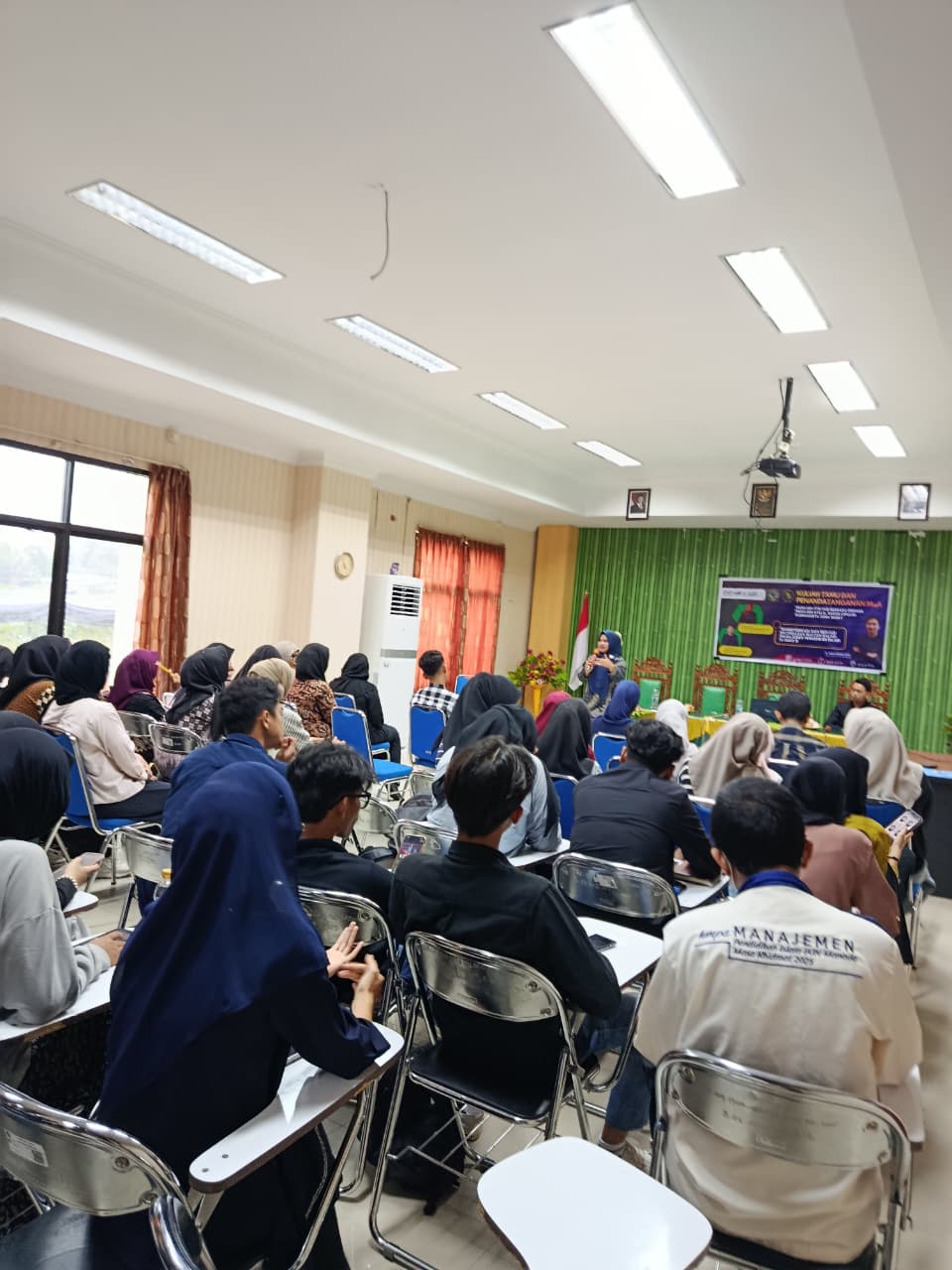
Penguatan Kerja Sama Akademik: Prodi MPI FTIK IAIN Manado dan STAI Al Badar Cipulus Purwakarta Gelar MoA dan Kuliah Tamu Berbasis Isu Kecerdasan Buatan
Manado, 23 April 2026 — Program Studi Manajemen Pendidikan Islam (MPI) Fakultas Tarbiyah dan Ilmu…