

Whoa! The extension ecosystem on Solana moves fast. Lots of wallets come and go, and honestly, that churn can be dizzying. My instinct said Phantom would stick around — and then community momentum kind of proved it. Initially I thought it was just hype, but then subtle things kept showing up that made it feel more grown-up than most browser wallets, which surprised me.
Really? People like a clean UX. Yep. Phantom’s interface is simple without being babyish, and that balance matters when you’re juggling NFTs, SPL tokens, and airdrops across dApps. On one hand the basics are intuitive; though actually, wait—let me rephrase that: the learning curve is gentle enough for newcomers while still giving power users fast access to advanced features, which is a rare combo.
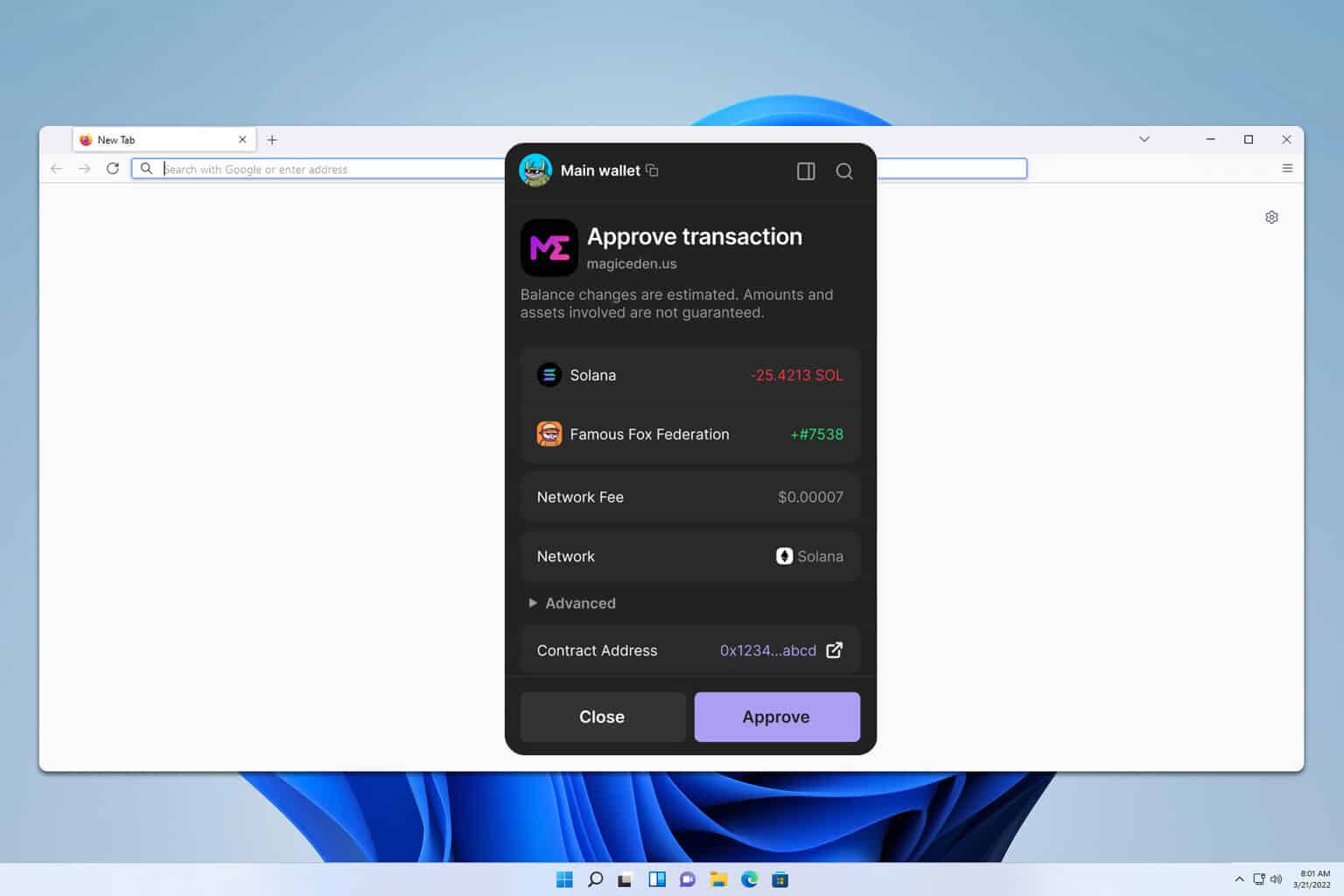
Hmm… security is the thing that nags at everyone. Wallets are only as trustworthy as their seed handling and permission model. Phantom uses a local encrypted vault for private keys and prompts clearly when a site requests a signature, which reduces accidental approvals. On the other hand, browsers introduce attack surface, so you still want good habits — hardware wallets for large balances, cold storage for long-term holdings — you know, the usual stuff. I’m biased, but that layered approach (extension + ledger support + clear UX) is why many people feel comfortable using Phantom for everyday Solana interactions.
Okay, so check this out — performance matters too. Transactions on Solana are fast, and your wallet should feel the same; Phantom rarely adds friction. Some extensions bog down under many accounts or dozens of tokens, but Phantom tends to stay snappy, even when multiple dApps are open in tabs. That responsiveness matters when gasless drops or quick swaps are happening and you don’t want to be the one holding up a trade because your wallet froze.
How to get started and where to grab it
If you want to try it, the easiest path is to install the browser add-on and create or import a wallet, but be mindful of phishing and always verify links. For a straightforward install, check the official phantom wallet download extension page: phantom wallet download extension. Follow the setup prompts, back up your seed phrase offline, and test with a small amount first—seriously, that tiny test transaction saves headaches later.
Here’s what bugs me about a lot of wallet docs: they assume you already know blockchain basics. That’s not fair. A good onboarding flow explains signatures, types of accounts, and how permission requests work in plain English. Phantom tries to be approachable here, with tooltips and step-by-step flows, though some parts still feel like they were written by devs for devs. Oh, and by the way… community guides and short videos help a ton when the official text is too dense.
Transaction signing deserves its own little rant. Wow! When a dApp asks for multiple signatures in quick succession it can feel like spam. Phantom groups and labels requests well enough to reduce confusion. But on occasion I’ve seen redundant prompts from the same dApp — not a dealbreaker, but annoying. Developers are working on better intent passing and UX standards, which will help once broadly adopted.
Wallet extensions live in a tricky space between convenience and exposure. Hmm… many folks treat a browser wallet as their daily driver, and for day-to-day trading and NFT browsing that’s perfectly fine. For life-changing sums, though, move assets to something hardware-backed. Initially I thought “one wallet to rule them all” was a good idea, but then realized variety and compartmentalization make you safer: separate wallets for staking, trading, and collections is a small hassle with big payoff.
Network fees on Solana are tiny, yet UX hiccups sometimes make people hesitate during swaps. Phantom integrates swaps and token bridges, which is neat, but bridges introduce additional risk surfaces beyond the wallet itself. On one hand having a single extension that handles token management and swaps is convenient; though actually, wait—let me rephrase that—it’s convenient until you mix unfamiliar bridges and automated approvals, so be mindful and read the prompts carefully.
Support and ecosystem integration matters more than you think. Seriously? Yep. Wallets that play nicely with marketplaces, lending platforms, and gaming dApps create network effects that benefit users. Phantom has leaned into partnerships and SDKs so dApp devs can integrate smoothly, and that dev-friendliness is one reason it’s so widely supported across Solana projects. Community feedback loops also mean rapid iteration, which shows up as small but meaningful UX fixes over time.
There are tradeoffs. Wallet size and feature bloat creep in if devs add everything users ask for. I noticed features that I didn’t need cluttering menus, and other times a needed option was buried—double annoyances. Somethin’ to watch for: find the balance that suits you and prune extra accounts or tokens you don’t use. It keeps the extension lean and reduces accidental clicks.
FAQ
Is Phantom safe to use in a browser?
Phantom is considered secure for everyday use when you follow best practices: keep your seed phrase offline, enable hardware wallet integration for large sums, and verify URLs to avoid phishing. No system is perfectly safe, but a cautious workflow mitigates most common threats.
Can I connect my Ledger or other hardware wallet?
Yes. Phantom supports hardware-wallet integration, letting you approve transactions on a device instead of the extension, which is a strong step up in security for high-value accounts.
What if I accidentally approve a malicious signature?
If you approve something you didn’t intend, act fast: revoke permissions via the dApp permissions panel and move funds to a new wallet if keys were exposed. Prevention is better—use small test amounts and read prompts carefully.
Related Posts
April 24, 2026
Penguatan Kerja Sama Akademik: Prodi MPI FTIK IAIN Manado dan STAI Al Badar Cipulus Purwakarta Gelar MoA dan Kuliah Tamu Berbasis Isu Kecerdasan Buatan
Manado, 23 April 2026 — Program Studi Manajemen Pendidikan Islam (MPI) Fakultas Tarbiyah dan Ilmu…